

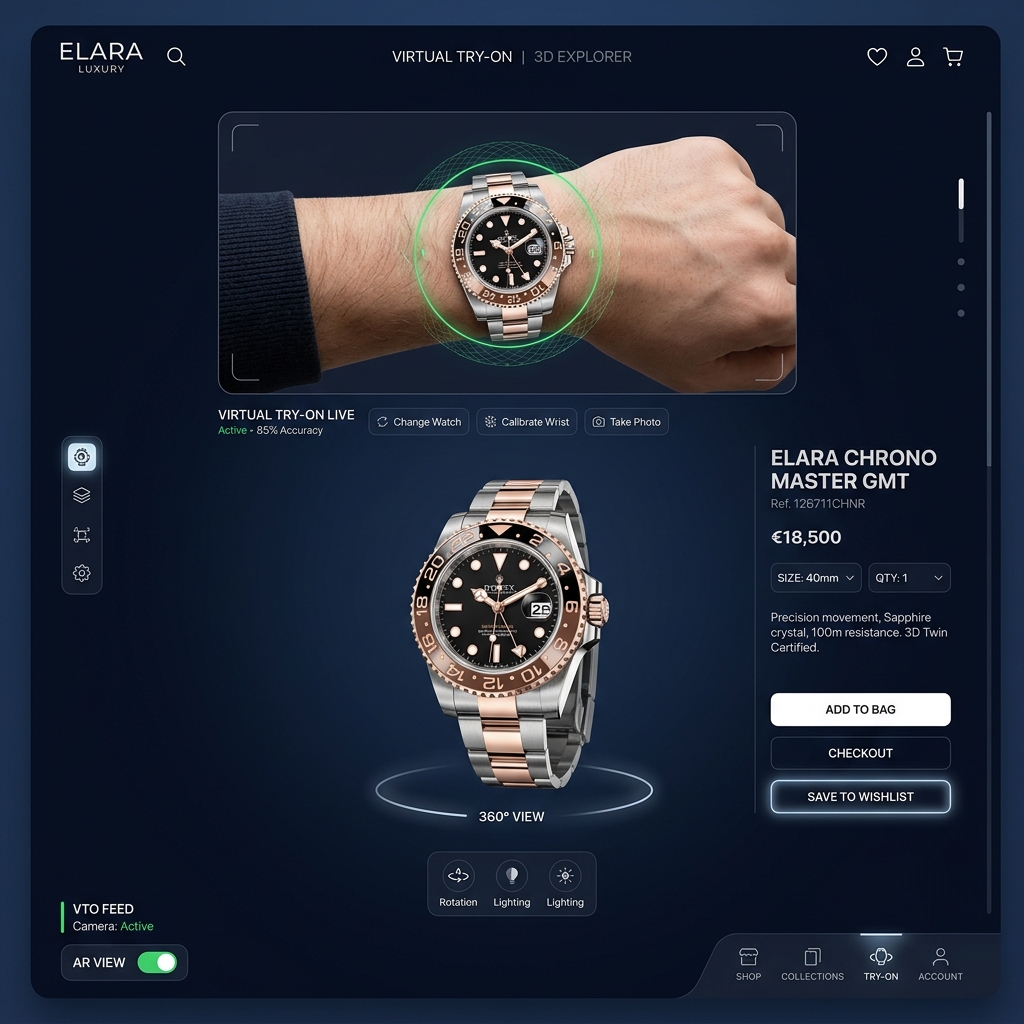
Studies indicate that digital twins and immersive environments increase confidence and order value by fostering a deep emotional connection. This sensory and realistic experience acts as a key mediator in the final purchase decision.
1. Immersion and Perception of Realism
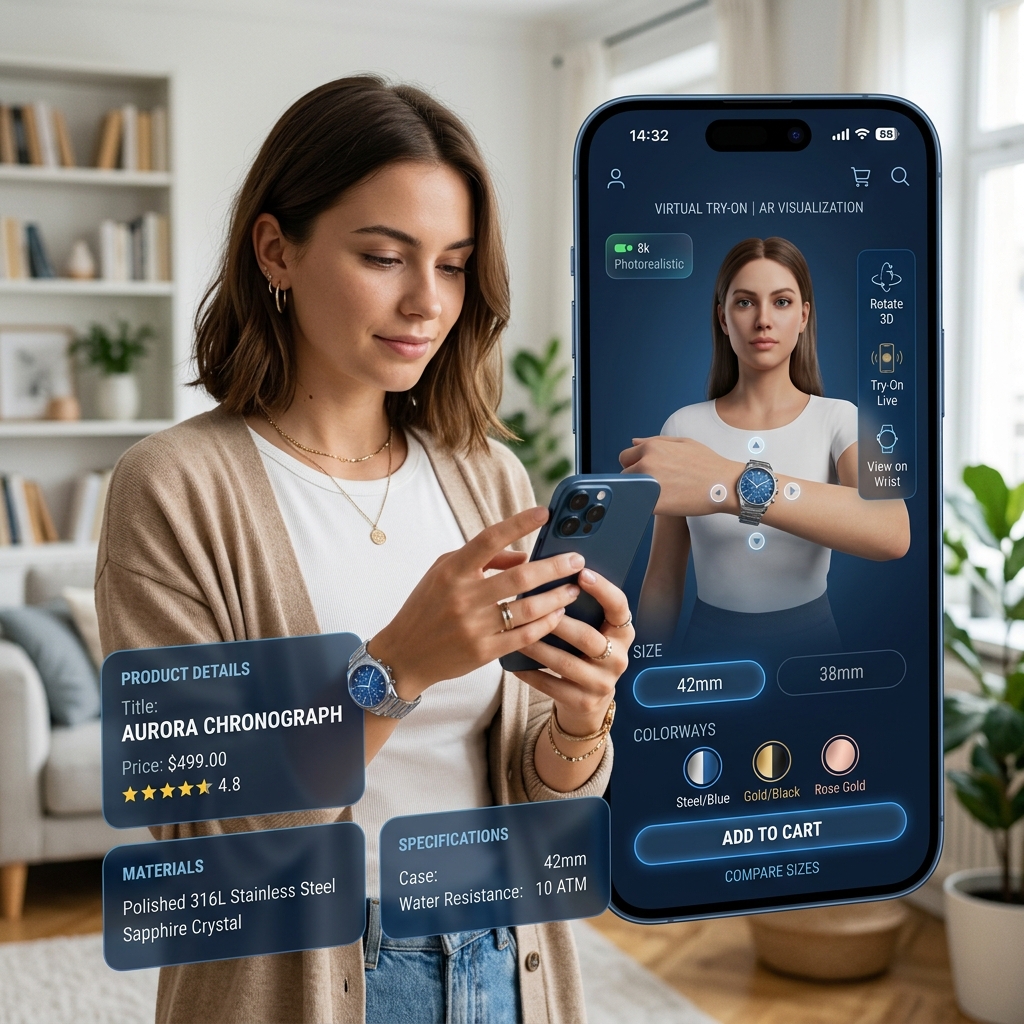
Immersion and the perception of realism are fundamental pillars that transform the digital shopping experience, allowing consumers to interact with products more deeply than in traditional e-commerce. The ability to visualize products in 3D and use features like virtual fitting rooms allows users to evaluate compatibility and product details with greater precision.
Research shows that realism within these virtual environments is a critical variable directly influencing consumer behavior. By integrating technologies such as Virtual Reality (VR) and Augmented Reality (AR), retailers achieve:
- Increased Confidence: The ability to examine detailed product information through hyper-realistic experiences strengthens customer confidence when making purchase decisions.
- Improved Engagement: Immersion facilitates more frequent and lasting interaction with products, surpassing traditional direct sales methods in engagement metrics.
- Cognitive Empowerment: The combination of smart support and immersive environments enables users to make more informed and confident decisions.
2. Emotional Commitment and Purchase Decision
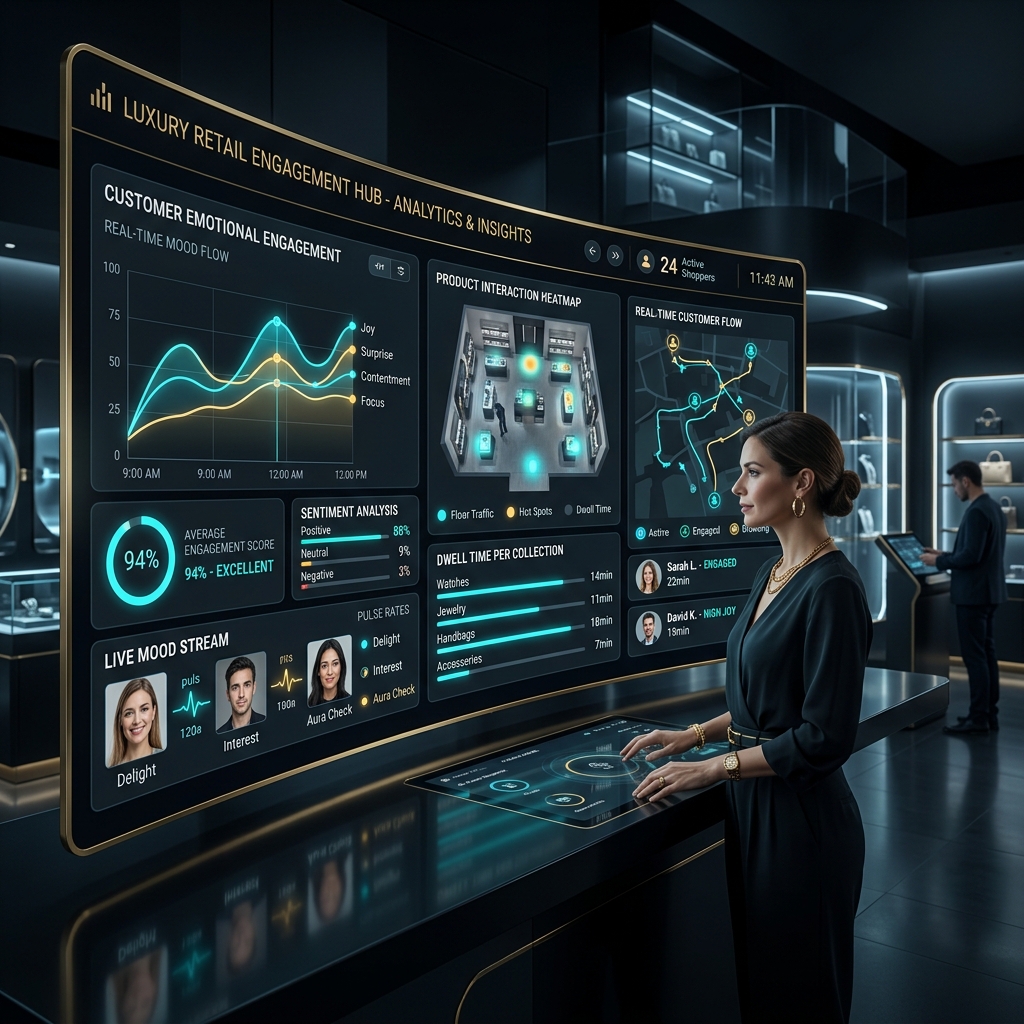
Emotional commitment acts as an essential mediator in the purchase process within digital environments. Studies indicate that by creating sensory and emotional experiences, digital twins and immersive platforms achieve a stronger connection between the brand and the consumer.
This emotional bond manifests in various ways during the shopping experience:
| Influence Factor | Effect on Consumer |
|---|---|
| Emotional Affect | Facilitates the transition from interaction to purchase decision. |
| Trust and Loyalty | Prolonged immersion strengthens loyalty toward luxury brands. |
| Sensory Experience | Increases deep engagement by combining cognitive and emotional elements. |
| Purchase Impulse | Creating interactive environments increases propensity for impulse buying. |
3. Strategic Implications and Brand Value
Evidence suggests that when customers gain access to personalized features, such as virtual fitting rooms or tailored recommendations, their willingness to engage with the brand increases significantly.
In direct-to-consumer contexts, this combination of digital convenience and emotional experience not only improves customer satisfaction but also increases average order value. Ultimately, immersive technology transforms product perception, converting the act of purchasing into a more meaningful and personalized experience that fosters user brand advocacy.
💭 How is your organization addressing immersive commerce?
Share your thoughts on how virtual environments are transforming purchase decisions in your industry.